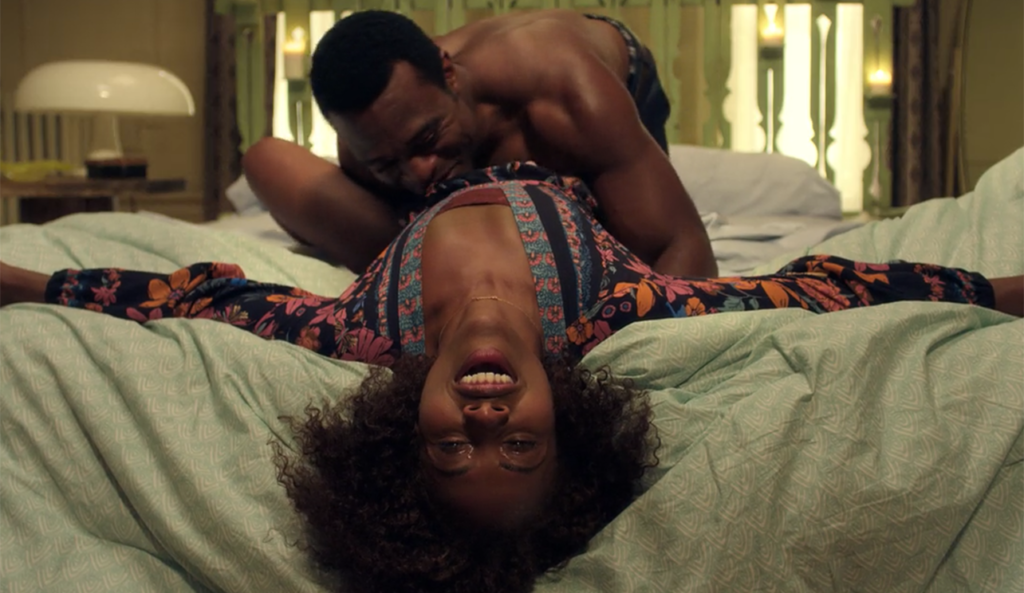
For decades, representations of female sexuality in mainstream cinema have been shaped by male directors and writers. The result has often been sex scenes that prioritise spectacle over emotional realism, rooted in fantasy rather than female experience.
Rarely have women’s intimate relationships with their own bodies, or the complexities of their desire, been explored onscreen.
Catherine Breillat is one of the few filmmakers unafraid to delve into uncomfortable terrain – the kind of topics many of us avoid speaking about for fear of being judged, dismissed, or labelled a “bad woman”.
Her films touch on shame, power, control, jealousy, and sexual ambivalence. They explore unconventional fantasies and taboo experiences. But more than anything, they centre the woman’s perspective.
These are not stylised performances of desire for an outside gaze, nor are they simplified slogans of sex-positivity. What Breillat offers is something far deeper: an unflinching examination of the messier parts of female subjectivity that are usually kept hidden.
Her focus is not on how a woman looks when she has sex, but on what she feels, thinks, suppresses, or longs for. The body is present, but the mind is foregrounded.
Breillat’s work refuses to idealise or sanitise female sexuality. Instead, it allows room for contradictions and confusion. And in doing so, it offers a rare kind of truth.
Who is Catherine Breillat?

The French filmmaker and writer, Catherine Breillat, published her first novel at the age of 17, only for it to be banned in France for readers under 18.
It was a fitting start for a career that would go on to challenge taboos, provoke controversy, and reshape conversations around female sexuality in cinema.
Breillat’s films focus primarily on adolescent girls and women navigating sexual awakening, desire, shame, and trauma.
Often labelled “pornographic,” her work has been criticised for its explicitness, particularly after casting porn actor Rocco Siffredi in two films and becoming the first filmmaker to show an erect penis in mainstream cinema.
Yet to reduce Breillat’s films to shock value is to miss their core achievement: a deeply emotional and often uncomfortable exploration of the female psyche. Her sex scenes are rarely eroticised for the viewer’s pleasure, in fact, they are often emotionally challenging.
Critics such as The Guardian’s Cath Clarke have argued that while the films are explicit, they are not erotic in a conventional sense. And perhaps that is exactly the point.
The discomfort surrounding Breillat’s work appears to stem not from what she shows, but who is showing it and how. Female sexuality, when not mediated through male desire, becomes radical.
The Psyche of Female Sexuality
‘I wanted to make films that are not from the point of view of men looking at women, but from the inside of a woman’s body.’
Much of Breillat’s power lies in her ability to communicate something rarely depicted onscreen: the internal experience of sex from a female point of view. Not just the physical act, but the emotional undertow.
Contemporary art and media have begun to reflect a growing acceptance of women’s sexuality, with more and more work offering frank explorations of sex and autonomy. Still, many of these portrayals fall into binary categories: the empowering or the traumatic.
Breillat’s work, however, occupies the murky space in between, where most real experiences live.
Trigger Warning: Some of the below films include scenes of sexual assault, violence, and distressing themes. Viewer discretion is advised.
Where to Start: Fat Girl (2001)

‘Female sexuality is still a battleground. It’s a territory where shame and desire clash.’ Catherine Breillat
One of Breillat’s most critically recognised works, Fat Girl explores the intense and complicated bond between two sisters during a summer holiday.
The film addresses issues of consent, coercion, and societal pressures on young women with unvarnished honesty. It forces the viewer to confront the ways in which female sexuality can be shaped and constrained by external forces, without romanticising or sanitising the experience.
Where to Continue: Romance (1999)
‘Sex is inherent to humans but as women, we are taught to repress this and act as though we are not sexual beings.’ Catherine Breillat
Are you a sensual
professional?Join hundreds of BDSM practitioners, content creators, erotic writers, artists, coaches, masseurs, muses and more on Sensuali
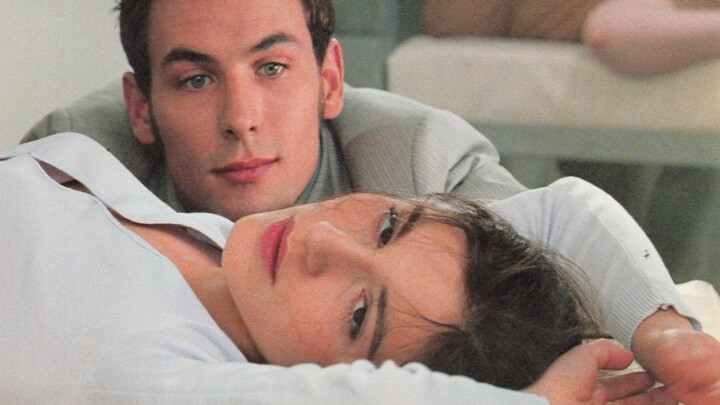
This film explores the sexual and emotional frustrations of Marie, a young woman whose partner shows little interest in physical intimacy.
Marie embarks on a series of affairs to satisfy her own needs, presenting a candid portrayal of female desire and autonomy.
Romance challenges conventional portrayals of female sexuality by depicting it as complex and multi-dimensional, rather than simply fulfilling male expectations.
Where to Roam?
These lesser-known films lean further into arthouse territory, and offer a further exploration of female desire. They’re an ideal next step once the earlier films have been experienced.
A Real Young Girl (1976)

‘It’s not sex that shocks people – it’s women who aren’t ashamed of it.’ Catherine Breillat
Breillat’s debut feature was filmed in the mid-70s but banned for nearly 25 years. It follows 14-year-old Alice as she experiences the first waves of sexual awareness in a rural family home.
The film is dreamlike and visceral, exploring the complexities of puberty, bodily changes, and emerging desire.
It is important to note that this film presents these experiences honestly but uncomfortably, without romanticising or endorsing any of the difficult or taboo situations depicted. It offers a raw insight into the confusion and shame many young people face as they begin to understand their sexuality.
36 Fillette (1988)
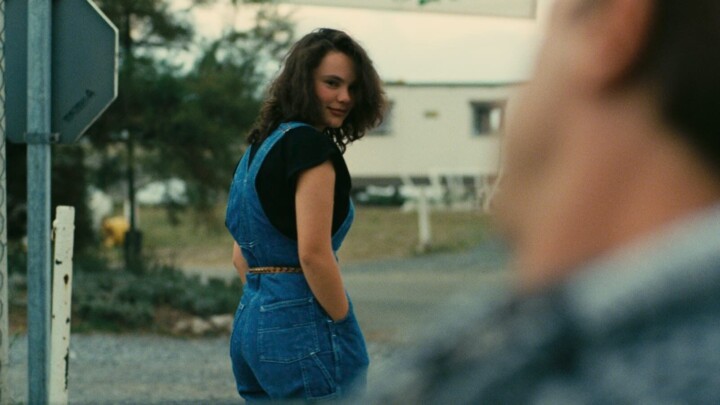
‘Cinema has always been a man’s world, especially when it comes to sex. My aim is to break that monopoly.’ Catherine Breillat
Based partly on Breillat’s own teenage years, this film follows Lili, a self-aware 14-year-old exploring her sexual identity and power. The story involves her relationship with an older man, which is portrayed with a clear critical lens.
Breillat does not condone or glamorise this relationship; instead, the film is an unflinching examination of the complexities, imbalances of power, and emotional turmoil that can surround adolescent sexuality. It aims to challenge the viewer to confront uncomfortable realities rather than provide easy answers.
Brief Crossing (2001)
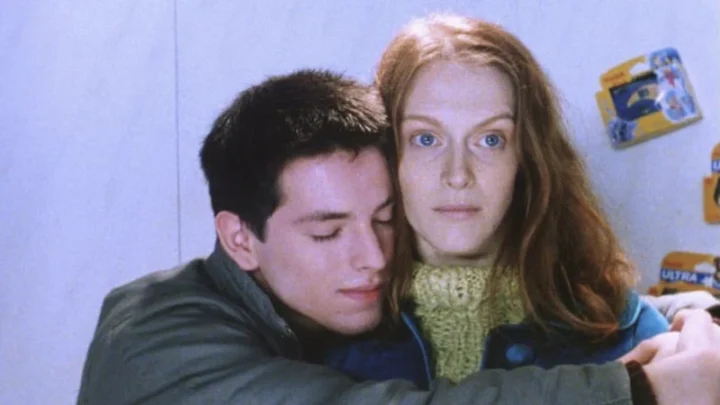
‘Art should not shy away from uncomfortable truths. It must confront them, expose them, and make us feel.’ Catherine Breillat
Brief Crossing depicts an encounter between an older woman and an adolescent young man experiencing his first sexual encounter during a boat trip across the Channel.
Their brief but intense liaison becomes a space for exploring themes of power, vulnerability, and sexual agency. The film highlights how intimacy can be a site of negotiation and complexity rather than straightforward pleasure or conquest.
Anatomy of Hell (2004)
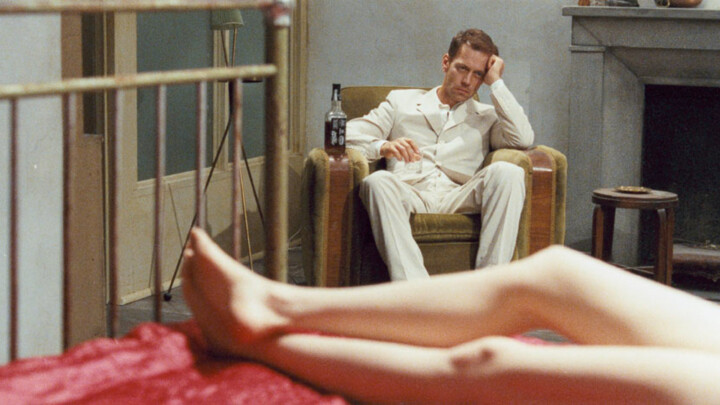
‘I don’t want to reassure the viewer. I want them to feel.’ Catherine Breillat
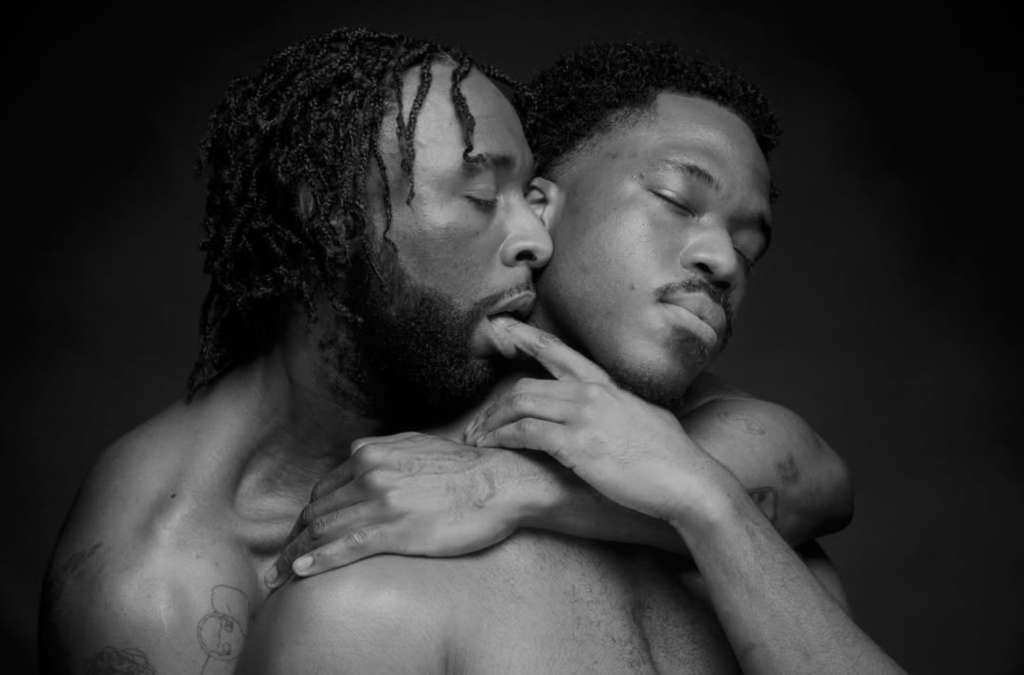
Often the most polarising of Breillat’s works, this film centres on a woman who hires a gay man to observe her for several days, challenging notions of the male gaze and the perception of female genitalia.
The film delves into gender conflicts and the politics of looking, offering a raw and confrontational meditation on body politics.
Despite critical backlash, it remains a bold and provocative exploration of female sexuality from an unapologetically female perspective.
Read: 5 essential books about BDSM

Iso
Iso is a writer and filmmaker based in East London. She is passionate about all things erotic and leads a sexy, shame-free life in hope that she can inspire others to do the same. Originally from a Northern seaside town, she is naturally drawn to the best things in life: candyfloss, trashy karaoke bars and heart-shaped sunglasses.