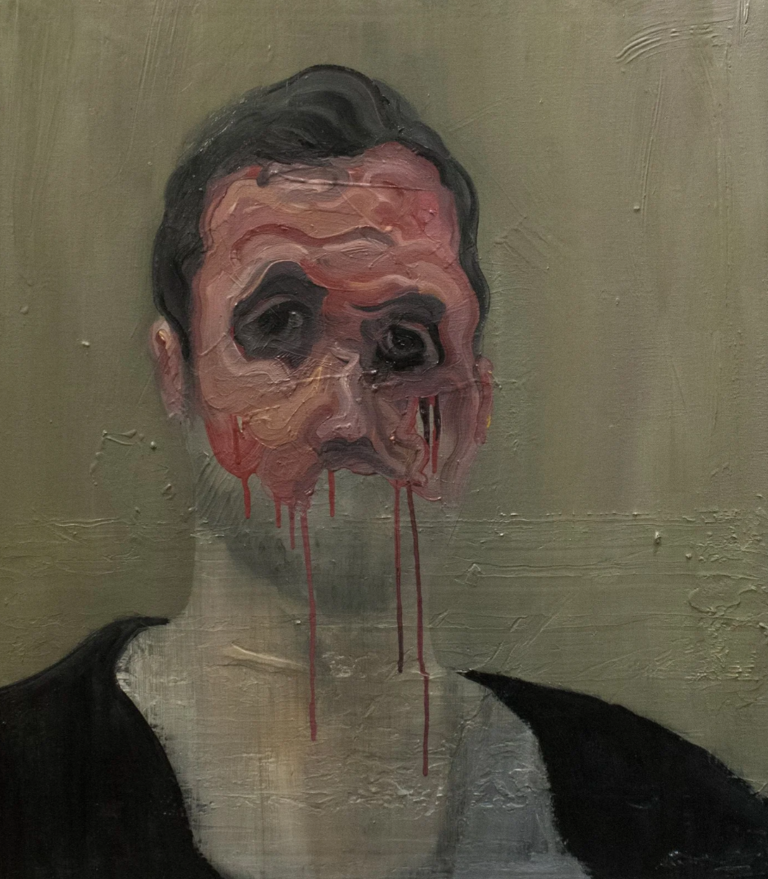
Did you know that fetish art is an established form of art with plenty of history? Here’s the scoop.
What is fetish art?
Fetish art is an artistic genre that delves into the exploration of unconventional desires, eroticism, and taboo themes through visual representation. It involves the depiction of fetishised objects, scenarios, behaviours, or body parts in ways that elicit arousal, contemplation, or both.
When did fetish art begin?
Fetish art as a distinct genre began to emerge more prominently in the late 19th and early 20th centuries. During the Victorian era, there was a notable shift in societal attitudes towards sexuality and eroticism. This period saw the rise of a more open discussion around sexual desires (the corset was an example of a highly fetishised object). There was an increase in the production of erotic and fetish-themed art, although much of it was still produced and consumed discreetly due to the huge stigma around sex at the time.

Notably, artists like Félicien Rops, Édouard-Henri Avril, and Aubrey Beardsley created works that explored erotic and fetish themes. However, it wasn’t until the 20th century that fetish art gained more visibility and recognition. The mid-20th century saw the emergence of underground subcultures that openly embraced fetish themes, such as BDSM.

Artists like John Willie and Eric Stanton played significant roles in shaping the iconography and aesthetics of fetish art during this period. Typically, fetish art is comes in the form of illustration, and often has a vintage, pin-up-esque style.
With the advent of the digital age, fetish art gained further prominence and accessibility through online platforms and social media, allowing artists to connect with a broader audience and contribute to the ongoing evolution of the genre.

Fetish art today
Today, fetish art continues to evolve, there’s more of a feminist approach to the genre, and more LGBTQ+ representation. Artists like Rebecca Lightbody are switching up the game in what fetish art can be today.
Discover fetish artists, sensual photographers, model muses and other kinky creatives today on Sensuali.
Cover artwork by Rebecca Lightbody.