What you'll know after reading this
- Curiosity is one of the most underrated ingredients of a satisfying sex life.
- One of the biggest mistakes we make is trying to recreate the sex we had in our twenties.
- Pain is information. Not something to push through.
Menopause doesn’t mean the end of a satisfying sex life. While hormonal changes can affect desire, arousal and comfort, understanding your body’s new needs, communicating openly and exploring different ways to experience pleasure can help intimacy remain fulfilling for years to come.
For many women, menopause is a conversation often left unspoken. Education feels limited, and many are left to navigate it alone until things get too much.
It’s a topic that often sits quietly in the background while conversations focus on hot flushes, brain fog and sleep disturbances. Yet changes in sexual desire, arousal and comfort are among the most common experiences during menopause, and no one is talking about it?
Why? The assumption is that women of a certain age are no longer a part of the conversation of sex. But yes, older women do still want sex.
The reassuring news is that menopause doesn’t mean the end of a satisfying sex life. It simply means your body is changing, and with those changes comes a new opportunity to learn what pleasure looks like.
The biggest challenge is that many of us have never been taught how to ask for something else or something new around intimacy and sex. Instead, we’re left assuming that pain, low desire, dryness or difficulty becoming aroused are simply things we have to put up with. They aren’t.
Your body is changing—and that’s completely normal.
So what’s really going on? Biologically speaking…
As oestrogen levels decline, the tissues of the vulva and vagina naturally become thinner, less elastic and produce less lubrication. So yes, despite lube still being the last thing anyone purchases when it comes to sex, it’s time to stock up, normalise it’s ok to use it (for anyone of any age) and let lube take centre stage.
Secondly, as blood flow to the pelvic region also reduces, it can take longer to become aroused, and the sensations you once experienced may feel different. Some women also notice their orgasms change in intensity or that they need more direct stimulation than they used to.
These changes can feel alarming if nobody has prepared you for them, but they don’t mean your body has stopped being capable of pleasure. They mean the route to pleasure may look different than it did ten or twenty years ago.
This leads us onto our next point.
Foreplay may need to become the main event.
This isn’t just important for women of all ages; it’s essential. It takes, on average, 14–20 minutes for someone with a vulva to become fully aroused. During menopause, this becomes even more important as hormonal changes can affect arousal, lubrication, and comfort.
Moving from penetration being the main event to other forms of touch and stimulation will not only allow your body time to relax, become aroused, and, in time, lubricate. It also helps you explore sex that doesn’t have a goal or expectations that might not feel good for your body.
Longer foreplay might look like:
- Spending longer kissing.
- Touching or exploring each other before penetration.
- Introducing different types of stimulation.
- Changing positions.
- Clitoral stimulation becoming the main event.
Many women spend years thinking they need to “get back” to how sex used to feel. But perhaps the goal isn’t to go backwards at all. Perhaps it’s to discover what feels good now.
Experiences
All experiences-
From €30
-
From €340
In person, Berlin, DE Online
EMPLEASUREMENT® - Tantric Bodywork Sessions /tantrische Körpertherapie Sitzungen
By SanyaAlaya -
From $170
In person, Berlin, DE Online
Systemic Sexual Therapy & Couples Coaching (Trauma-Sensitive)
By Arika - World as Lover
Intimacy isn’t just about hormones.
While hormones certainly play a role, especially in the mechanics of it all, they aren’t the whole story.
Our relationships, stress levels, body confidence, beliefs about ageing and even the messages we’ve absorbed about older women’s sexuality all influence how we experience intimacy and sex.
That’s why conversations about menopause matter; taking your partner along to appointments is shared information and talking about what feels different is essential.
Pain is information. Not something to push through.
Perhaps the most important message of all is this: sex should not simply become painful because you’ve reached menopause.
If you’re experiencing ongoing discomfort, burning, tearing or pain during penetration, it’s worth seeking support rather than assuming it’s inevitable. Yes, it happens, but it’s not something you have to keep putting up with.
Pain can be linked to Genitourinary Syndrome of Menopause (GSM), pelvic floor muscle tension, skin conditions affecting the vulva, bladder conditions or other treatable causes. Many women find significant relief through local oestrogen therapy, pelvic floor physiotherapy or psychosexual therapy, depending on what’s contributing to their symptoms.
Explore what pleasure looks like now.
One of the biggest mistakes we make is trying to recreate the sex we had in our twenties. Our bodies are different, our desire might have changed and exploring fantasies might be something you want to dip your toe into.
For decades, many of us have been taught that sex follows a script: kissing, foreplay, penetration, orgasm, done. But once comfort, lubrication or desire begins to change, that script can suddenly stop working. Rather than seeing this as the end of your sex life, consider it an invitation to write a new one.
This can be a wonderful time to experiment. Here are a few examples to get you started.
- Exploring different kinds of touch, such as clitoral, breasts, neck, legs and avoiding penetration altogether.
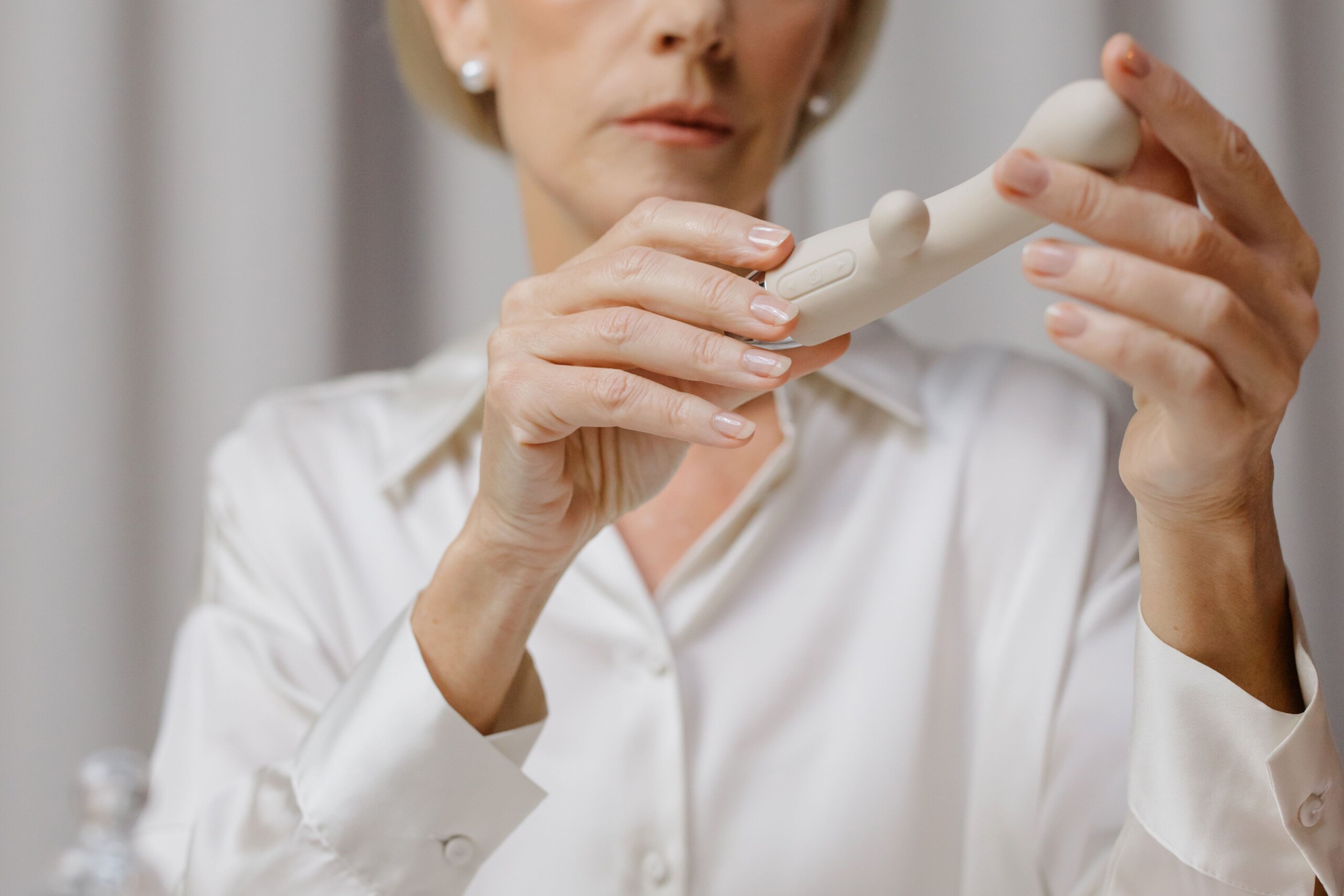
- Go shopping! Start by introducing a high-quality lubricant and maybe a small toy to support stimulation.
- Invest in a sex pillow to support your joints and get into a position that feels manageable and longer lasting.
- Explore shared erotica like listening to audio stories together or even ethical porn.
- Try extended kissing without any expectation that it has to lead anywhere.
- Explore a sensual experience, like Tantric practice or a group retreat with a professional, here on Sensuali.
Become a member Free to join. Browse vetted independent practitioners, save what moves you, and book with intention.Your invitation to Sensuali.
The goal is to become curious again.
Curiosity is one of the most underrated ingredients of a satisfying sex life. We forget that sex should be fun, evolving and playful.
After all, the most fulfilling sex isn’t usually about doing what everyone else is doing. It’s about finding what genuinely feels good for you.
Sources & further reading.
- Elaine Hill Andrea K Hart Regent University. The Relationship Between Menopause and Marital Satisfaction in Adult Women
- European journal of midwifery. Women’s experiences of their sexuality during their menopausal transition and the support offered to them by healthcare providers: A systematic review and metasynthesis
- Dr Louise Newson. Safe sex and menopause

April Maria
April Maria is a qualified sex educator, sex and relationships coach and psychosexual and relationships therapist. For the last four years, April has been working in the field of sex education, sex tech and pleasure, endometriosis awareness and helping others when it comes to sexual wellness,…
More from April Maria