What you'll know after reading this
- Menopause may change the way you approach or engage in sex, but it does not signal the end of desire, intimacy, pleasure or your relationship.
- 6 steps to find your way back to intimacy, alone or with a partner.
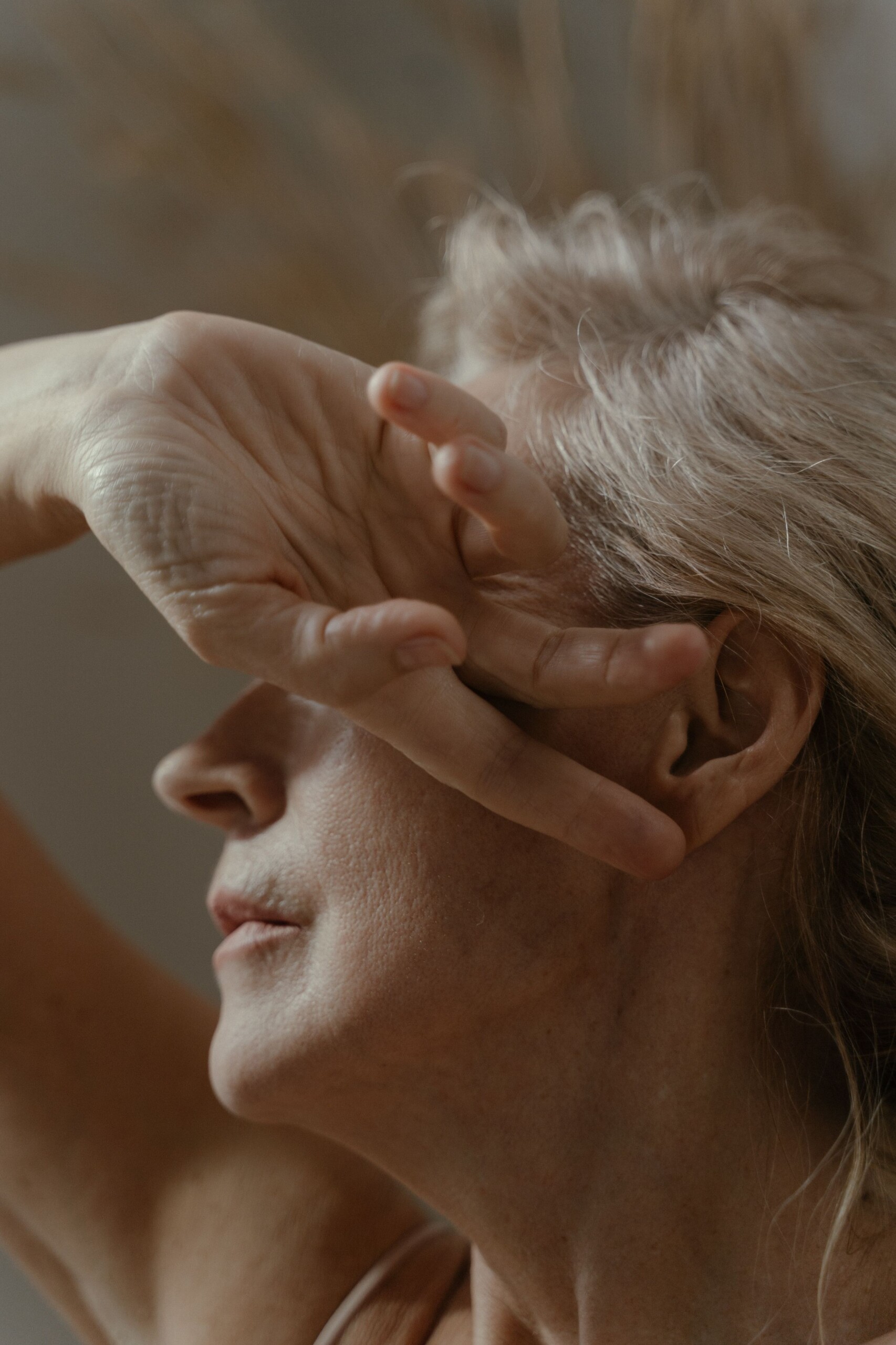
Menopause can have a significant impact on sex and intimacy, but it doesn’t have to mean the end of a fulfilling sex life. Hormonal changes can lead to lower desire, vaginal dryness, pain during sex, reduced sensitivity and changes in arousal, while stress, poor sleep and body image can further affect libido. Despite how common these challenges are, they’re often overlooked and undertreated. The good news? Support is available.
Menopause, the big change, the transition, the big M, the season in which every woman will inevitably face. It’s natural, biological and for some, life-changing.
Many of us are familiar with the more commonly talked-about symptoms, whether through watching our mums and aunts navigate them or seeing menopause portrayed on television. Yet one area that is still too often left out of the conversation is the very real and unique impact menopause can have on sex, intimacy, and our relationship with pleasure.
There remains a cultural tendency to treat declining libido in menopausal women as an inevitable, unremarkable feature of ageing rather than a medical concern worth addressing.…
For many women, a dip in sexual desire during menopause feels like a private struggle. But the reality is far more nuanced and far more manageable than society suggests. Problems around libido loss, vulvovaginal pain, dryness and changes in reaching climax are common at menopause, and there are ways to support yourself.
Why it’s often underreported and undertreated
Despite how common these changes are, many women don’t bring them up with their doctors, and many doctors don’t ask about them.
There remains a cultural tendency to treat declining libido in menopausal women as an inevitable, unremarkable feature of ageing rather than a medical concern worth addressing. Women may also feel embarrassed or assume that wanting a fulfilling sex life past fifty is somehow inappropriate or more worrying, not important.
Women who might benefit from treatment go without it. Relationships suffer. And the myth persists that nothing can really be done. That myth is wrong.
What’s actually going on in your body
Menopause, defined as twelve consecutive months without a period, typically occurs in women between the ages of 45 and 55. However, perimenopause, the transitional phase leading up to it, can begin years earlier.
During this time, the ovaries gradually stop producing oestrogen and progesterone. Testosterone, often overlooked in conversations about female sexuality, also declines.
These hormonal shifts trigger a cascade of physical changes that can directly affect both sexual desire and comfort. For example, after menopause, blood flow to the breasts and pelvic region naturally decreases, which can alter how the body responds to touch and sexual stimulation. The clitoris, our primary source of pleasure, is also affected. Reduced blood flow may mean it does not engorge as fully as it once did, which can affect sensitivity, arousal, and the intensity of pleasure experienced.
Reduced testosterone, a hormone produced in small but significant amounts by the ovaries and adrenal glands, is also linked to lower libido. Testosterone influences sexual motivation in women as much as it does in men, and its decline during menopause is one reason why some women notice that their desire doesn’t just fluctuate, but seems to flatten or even go into hiding.
Beyond the purely physical, menopause coincides with a stage of life that brings its own psychological and relational weight. I know it all seems a little unfair. For example, poor sleep (often caused by night sweats and hot flushes) can impact desire, increased anxiety, shifting body image, and the pressures of midlife can all impact sexual interest. The causes of low libido during menopause are rarely singular; they’re typically layered, and exploring all of them can be overall beneficial.
What actually helps
Manage stress and prioritise rest.
Stress, anxiety, poor sleep, and the mental load of the menopause can all suppress libido. The first step would be to support your nervous system through talking therapies, relaxation techniques, exercise, mindfulness, breathwork, or simply creating more opportunities for rest. Desire hides in a stressed body, so small changes can help create the conditions for desire to return.
Explore your “new normal”
One of the biggest misconceptions about sexuality is that what worked at 30 should work exactly the same at 50. Our bodies and preferences evolve throughout life and the menopause should be an invitation to become curious again. Perhaps you now need more time for arousal, enjoy different types of touch, prefer slower sex, or discover entirely new ways of experiencing pleasure. Rather than trying to recreate your old sex life, it can be helpful to ask: What feels good for me now?
Hormone replacement therapy (HRT), testosterone and other treatments
For some women, medical support can make a significant difference, and things like HRT can help improve symptoms such as vaginal dryness, night sweats, low mood and sleep disruption, all of which indirectly affect desire.
Also, something like vaginal oestrogen, which works locally, is often highly effective in treating vaginal dryness and discomfort associated with genitourinary syndrome of menopause (GSM). Speaking with a menopause specialist or your healthcare professional can help you understand which options may be appropriate for you.
Individual or couples therapy
Menopause affects more than hormones. It can influence confidence, body image, identity, relationships and communication. Working with a psychosexual therapist or relationship therapist can help you understand the many layers contributing to changes in desire. For couples, therapy can provide a safe space to talk openly about changing needs, address feelings of rejection or frustration, and redefine intimacy in ways that feel satisfying for both partners.
Lubricants and vaginal moisturisers
Painful sex should never be something you simply have to tolerate. EVER. Lubricants can help reduce friction during sexual activity, while vaginal moisturisers are designed to support hydration and tissue health more consistently. For many women experiencing dryness or discomfort, these products can dramatically improve comfort and confidence.
Toys and supportive devices
Sex toys are not replacements for partners, nor are they signs that something is wrong. In fact, they can be incredibly helpful during menopause. Because blood flow and sensitivity naturally change, additional stimulation may be needed to achieve the same level of arousal or orgasm around the clitoris. Vibrators, for example, can help increase blood flow to the pelvic tissues and provide stronger or more targeted stimulation when sensitivity has reduced or is hard to achieve.
Moving forward
Menopause may change the way you approach or engage in sex, but it does not signal the end of desire, intimacy, pleasure or your relationship. Your body is not broken, and wanting a fulfilling sex life at any age is neither selfish nor impossible.
Perhaps the biggest shift menopause asks of us is not to mourn the sexuality we once had, but to become curious about the sexuality that is still available to us. With the right support, open conversations, and a willingness to explore and support yourself, this stage of life can become less about loss and more about rediscovery.
Become a member Free to join. Browse vetted independent practitioners, save what moves you, and book with intention.Your invitation to Sensuali.
Sources & further reading.
- Dr Louise Newson. How do perimenopause and menopause affect my sex drive?
- Dr Karen Gurney. Mind The Gap: The truth about desire and how to futureproof your sex life
- Health In Menopause. Revitalising Your Sex Life: Tips for Menopause
- Maria Sophocles MD. The Bedroom Gap: Rewrite the Rules and Roles of Sex in Midlife

April Maria
April Maria is a qualified sex educator, sex and relationships coach and psychosexual and relationships therapist. For the last four years, April has been working in the field of sex education, sex tech and pleasure, endometriosis awareness and helping others when it comes to sexual wellness,…
More from April Maria